About Us
What We Do
Let Hope Begin Here Guatemala is a 501(c)3 that serves the citizens of Guayabales, Santa Rosa, Guatemala. We seek to teach skills necessary for the healthy development of children. We intend that to provide a teaching example for the surrounding 22 villages (population total estimate 10,000) such that any skills benefits can be reproduced in neighboring communities. The eight interrelated domains of stabilization and support are spiritual formation, healthcare, microeconomics, education, reproduction of impact, environmental stewardship, generosity, with group respect and responsibility.
How We Started
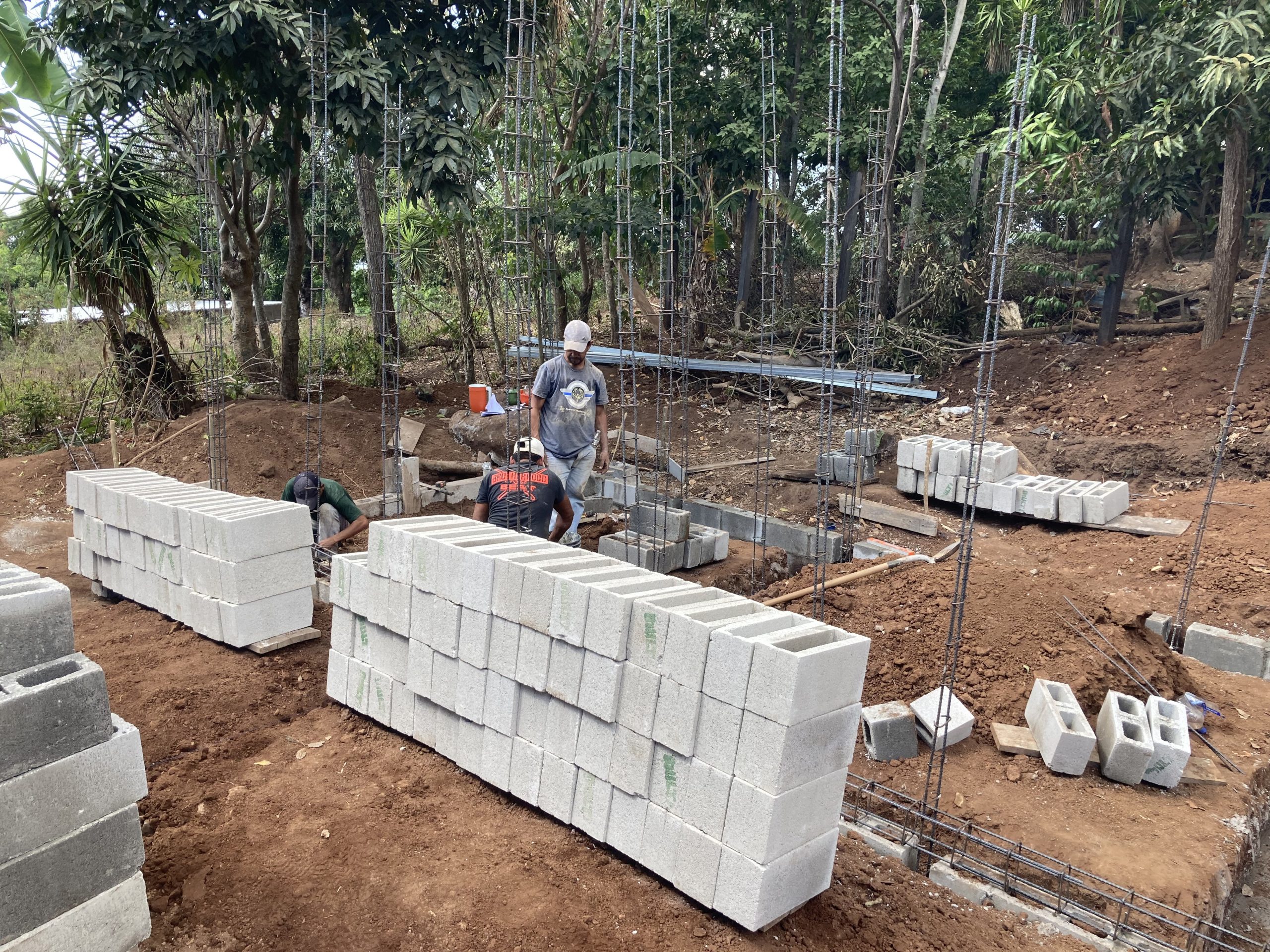
The Guayables cooperative project was begun in 2007 in response to a food crisis following a hurricane devastated the corn crop of subsistence level farmers and their families. As part of post recovery planning, this community of 54 households requested help with three areas of need. The first area of need was a clinic to serve the medical emergencies of the community, especially the women and children who are a five hour walk to the closest public health clinic. At the time, the village was served one morning a month by a public health nurse for which funding ended.
Where We’re Headed
Connecting the community to medical help using electronic technology, training local first responders, and providing adequate supplies to manage routine and some medical emergency needs continues to be a priority. Preventive healthcare and education are considered a priority since the community has no money or access for private medical care. The closest public clinic is a five hour walk from the village.
The second area of need identified by the community is a source of microeconomic development for women to help contribute to the economic stability and progress of the group as a whole. Due to relative geographic isolation, lack of raw or imported materials, no electricity, lack of venture capital, land lock and lack of technological resources or training, the status of women continues to develop around limited roles available to them in this agrarian group. For this reason, efforts are being made to develop unique markets suitable for local bartering gradually moving through cooperative models to regional, national and international customers using macadamia and other environmentally renewable products.
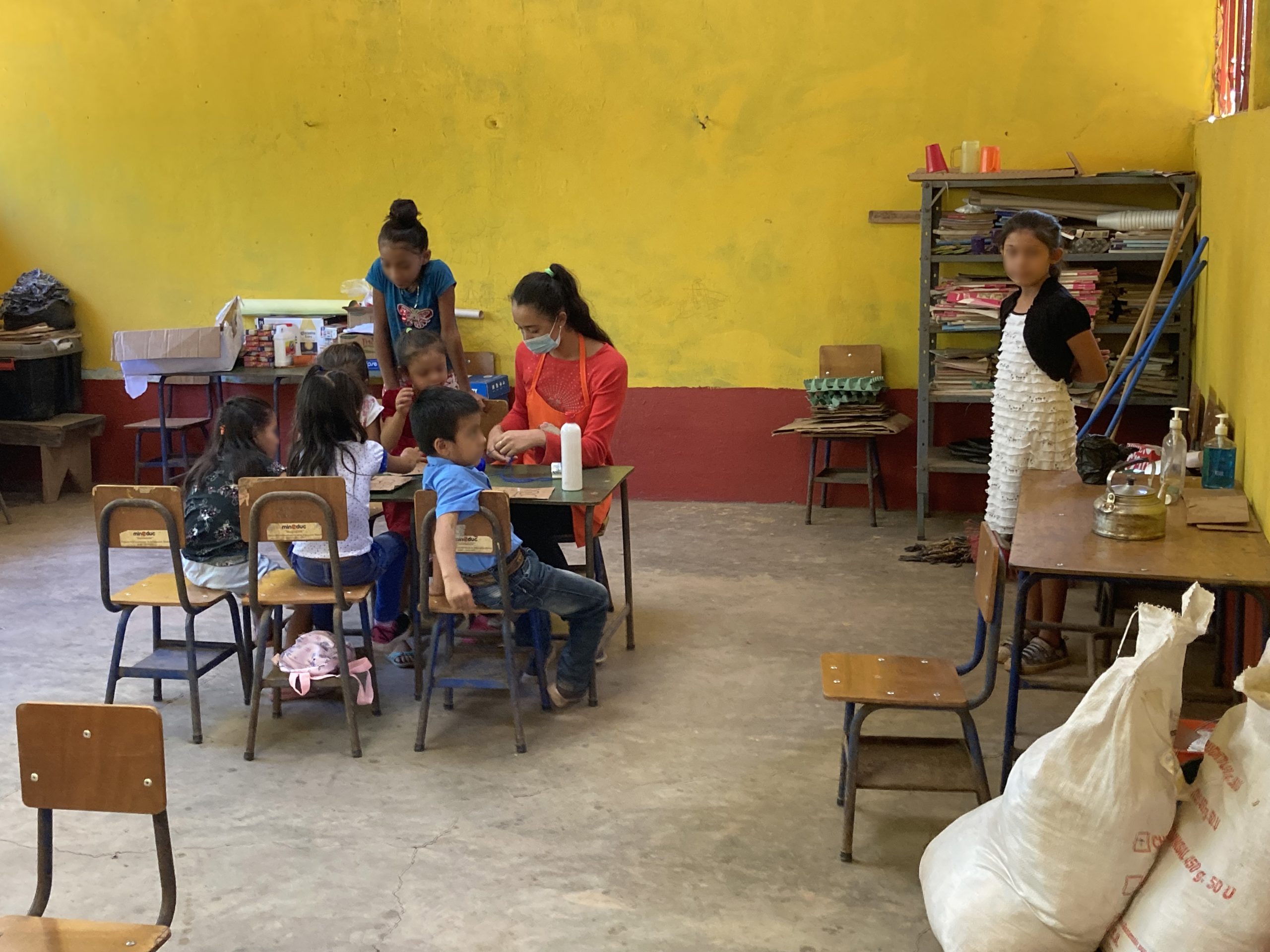
The last area of need is the means by which to educate their children through technical and vocational training at the secondary level to assume market competitive entry level positions in their own country. The path from rural poverty and limited local potential from shared land requires the use of community resources such as land and microeconomic profits to build and sustain their own technical-vocational high school. As a foundation for secondary education, every effort is being made to resource and support local elementary schools which are taught by federal teachers with little or no accountability for progress in a half day education model, often with no books or school supplies, no technology and no incentives against early diversion into rural child labor, teenage marriage and low skill labor markets. The need is acute for preferably bilingual expertise in agroeconomics, environmental biodiversification, preventive and community healthcare, small scale construction, soil and plant preservation, economic cooperative planning, and rural educational development for low resource settings.